Garlic Butter Shrimp: The Complete Chef’s Guide

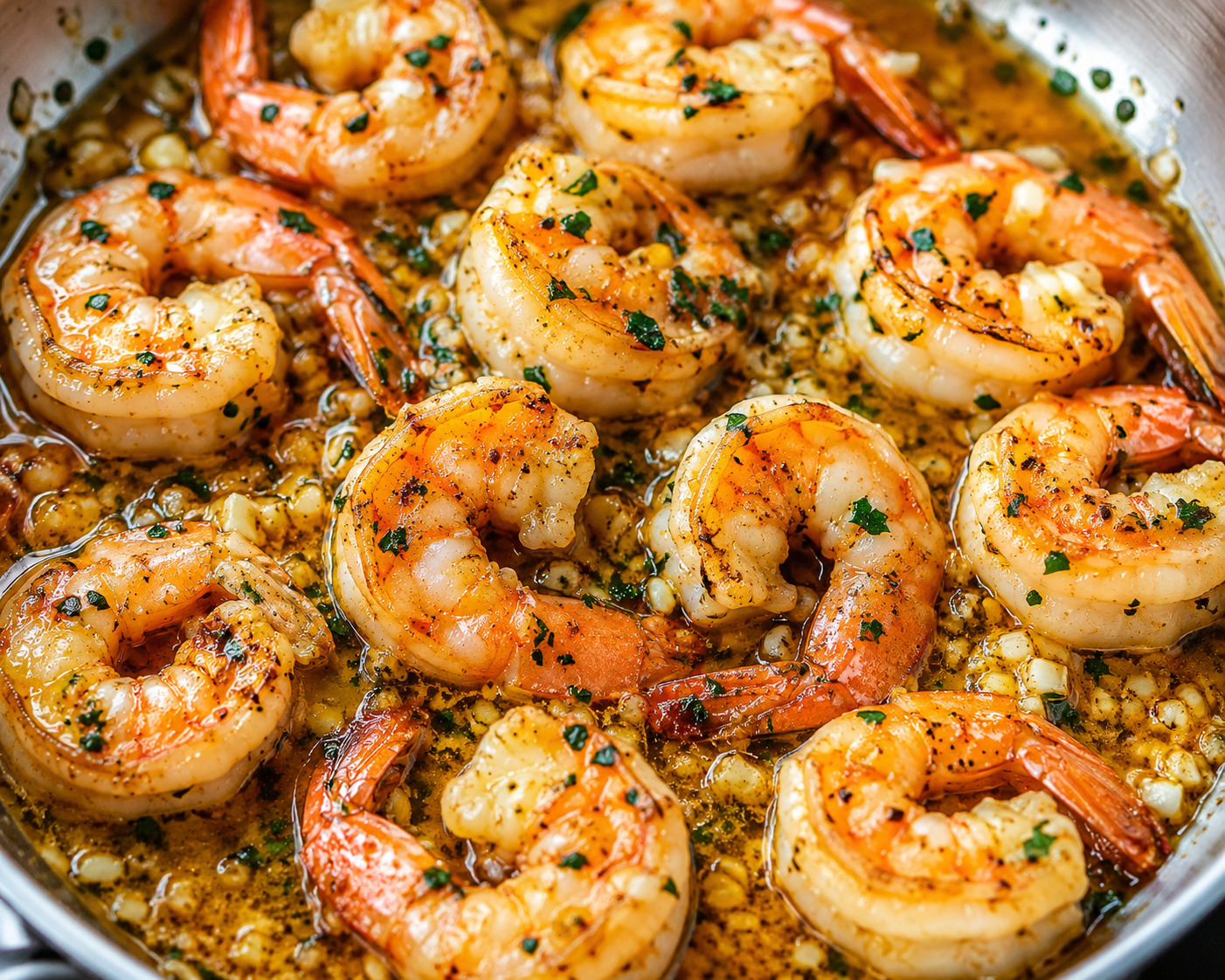
Chef’s Complete Guide
Garlic Butter Shrimp
Done Right.
From beginner kitchen to restaurant-quality plate — everything you need to know
ByChef’s Kitchen Expert·~6 min read · Serves 4
There is a dish that takes under 15 minutes, uses a handful of ingredients, and somehow tastes like something you would order at a fine seafood restaurant. That dish is garlic butter shrimp — and once you understand the technique behind it, you will make it on repeat, every single week.
Whether you are cooking shrimp for the first time or you have made it before and ended up with rubbery, tasteless results, this guide is written for you. As a chef, I have watched many home cooks make the same small mistakes that turn a great dish into a disappointing one. Today, we fix all of that — step by step, with clear explanations for every decision.
What Is Garlic Butter Shrimp?
Garlic butter shrimp is a quick sauté dish where fresh or thawed shrimp are cooked in a pan with butter, minced garlic, a splash of lemon juice, and simple seasonings. The result is tender, juicy shrimp coated in a glossy, golden sauce with deep savory flavor. It works as a main dish over pasta or rice, as a side, or even as an appetizer.
The beauty of this recipe is its simplicity. You do not need advanced cooking skills. You need the right technique and a few quality ingredients.
The Ingredients You Need
For classic garlic butter shrimp, the ingredient list is short and accessible. Here is everything you need to cook for 4 people:
🛒 Ingredients — Serves 4
- 500g large raw shrimp, peeled & deveined
- 4 tablespoons unsalted butter
- 5–6 garlic cloves, finely minced
- 2 tablespoons olive oil
- Juice of 1 lemon
- ½ teaspoon red pepper flakes
- Salt and black pepper to taste
- Fresh parsley, chopped (to finish)
- Optional: splash of white wine or chicken broth
- Optional: ½ cup heavy cream (for creamy version)
Always choose large or jumbo shrimp for this recipe. Small shrimp overcook in seconds and become tough. Large shrimp give you a bigger margin for error and a more satisfying bite.
How to Make It — Step by Step
Follow these steps carefully. Each one has a reason behind it, and skipping steps is where beginners go wrong.
1
Dry and season your shrimp
Pat the shrimp completely dry with paper towels. Wet shrimp will steam in the pan instead of searing, and you will lose all that beautiful golden color. Do this right before cooking — not an hour before, as salt draws out moisture.
2
Heat your pan properly
Place a wide skillet or sauté pan over medium-high heat.You want the oil shimmering but not smoking. A hot pan means a fast sear, which locks in the shrimp’s natural juices.
3
Sear the shrimp in a single layer
Add the shrimp to the pan in a single layer — never pile them on top of each other. Cook for exactly 1 to 1½ minutes on one side without touching them. You are looking for a pink color creeping up from the bottom and a light golden crust. Flip and cook another 60 seconds. Remove from the pan immediately and set aside.
4
Build the garlic butter sauce
Lower the heat to medium. Add 2 tablespoons of butter to the same pan. Once it melts, add all the minced garlic and red pepper flakes. Stir constantly for 30 to 45 seconds. The garlic should turn fragrant and light golden — never brown or it will taste bitter. If adding white wine or broth, pour it in now and let it reduce for 1 minute.
5
Finish the sauce and return the shrimp
Add the remaining 2 tablespoons of butter and squeeze in the lemon juice. Swirl the pan gently to combine everything into a smooth, glossy sauce. Return the shrimp to the pan and toss for 30 seconds to coat them completely. Remove from heat immediately.
6
Plate and garnish
Transfer to a warm serving plate. Scatter fresh chopped parsley over the top and add a few thin lemon slices on the side. Serve immediately — garlic butter shrimp waits for no one. It is best eaten within 5 minutes of cooking while the sauce is still glossy and the shrimp are perfectly tender.
Why Shrimp Gets Rubbery — And How to Avoid It
This is the most common problem beginners face, and the answer is simple: overcooked shrimp. Shrimp cook extremely fast. The moment they turn fully pink and curl into a C-shape, they are done. If they curl into a tight O-shape, they are overcooked.
The C vs O rule: A C-shape means Cooked. An O-shape means Overcooked. This single visual cue will save every batch of shrimp you ever make.
Another common mistake is cooking too many shrimp at once. Overcrowding the pan drops the temperature and causes the shrimp to release water. Instead of searing, they boil in their own liquid — resulting in pale, rubbery, flavorless shrimp. Cook in batches if needed.
Is Garlic Butter Shrimp Good for Diabetics?
Shrimp is actually one of the best proteins a person with type 2 diabetes can eat. It is high in protein, very low in carbohydrates, and contains virtually no sugar. Paired with broccoli — as many people search — it becomes an excellent low-glycemic meal that keeps blood sugar stable.
For a diabetic-friendly version, reduce the butter slightly and serve the shrimp over steamed vegetables rather than white rice or pasta. Avoid adding sugary sauces or honey-based glazes. The classic garlic butter recipe as written is naturally very low in carbohydrates.
Frequently Asked Questions
Q How do you keep buttered shrimp from being rubbery?
The key is speed and heat. Cook shrimp over high heat for no more than 1½ minutes per side, remove them from the pan the moment they turn pink and curl into a C-shape, and never overcrowd your pan. Overcooked shrimp tighten and become tough — there is no fixing them once it happens. Pull them off the heat just before they look fully done, as they continue cooking from residual heat.
Q Should you sauté shrimp in oil or butter?
Use both — and there is a good reason for it. Start with olive oil because it has a higher smoke point and handles the initial high heat of searing without burning. Butter adds richness and flavor but burns quickly if used alone from the start. Once the shrimp are seared and you lower the heat to build the sauce, that is when butter becomes the star. This two-fat technique gives you the best of both worlds: a proper sear and a luxurious sauce.
Q Should I season shrimp before or after cooking?
Season immediately before cooking — not hours ahead. Salt draws moisture out of the shrimp over time. If you salt them too early, you will end up with wet shrimp that steam rather than sear in the pan. A light seasoning of salt and pepper just before they hit the hot oil is all you need. The garlic butter sauce adds most of the final flavor anyway.
Q Can a diabetic eat shrimp and broccoli?
Absolutely — it is one of the smartest combinations for blood sugar management. Shrimp is essentially pure protein with near-zero carbohydrates, and broccoli is a low-glycemic vegetable rich in fiber. Together they create a satisfying, nutrient-dense meal that will not spike blood sugar. A type 2 diabetic can eat a generous portion without concern. Just prepare it simply — garlic, butter, lemon — and skip heavy starchy sides.
Ready to Cook Tonight?
Save this recipe, share it with a friend, and let us know how your garlic butter shrimp turned out in the comments below.⬆ Jump Back to Recipe
✦ ✦ ✦