Garlic Shrimp Pasta: The Ultimate Beginner’s Guide

Chef’s Guide · Pasta Series
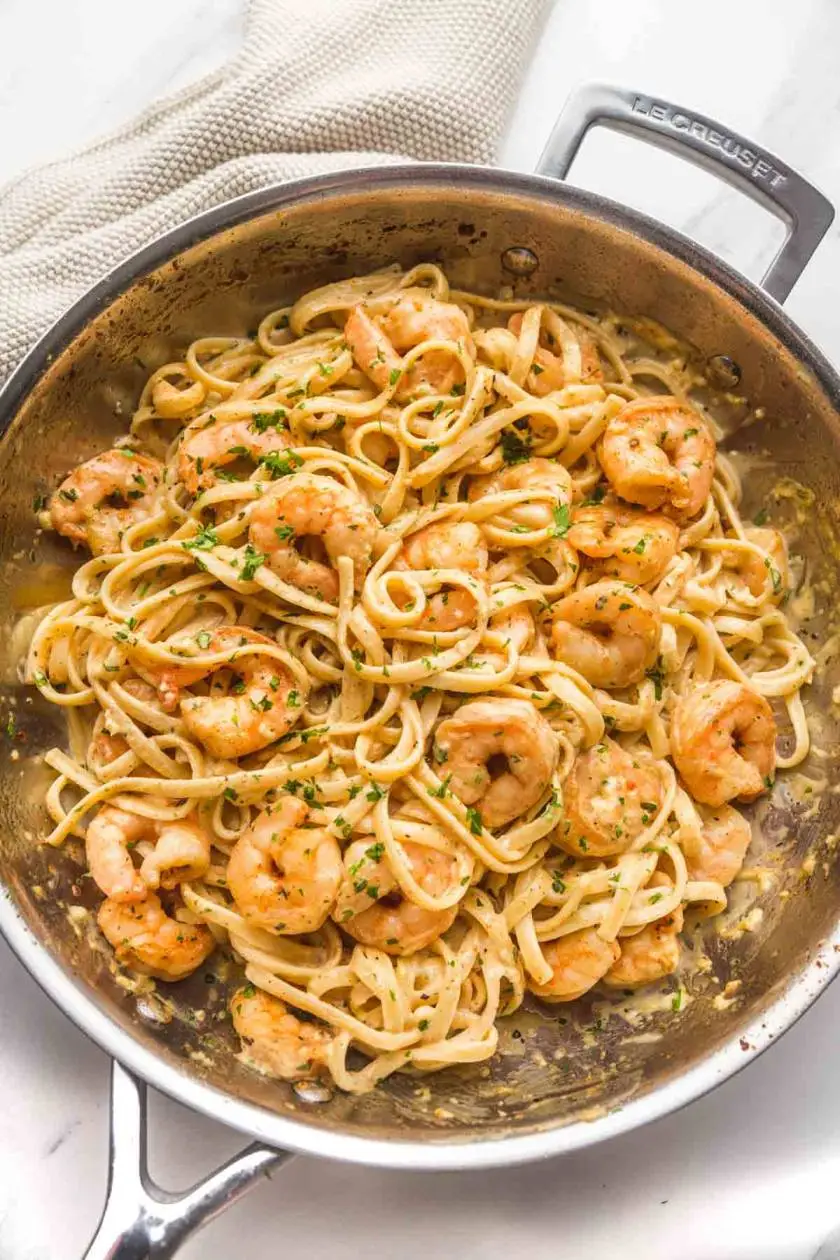
The Perfect Garlic Shrimp Pasta
Every Home Cook Can Master
From sauce secrets to the right pasta shape — a complete beginner’s walkthrough by a professional chef.
Chef’s Expert Guide · ~1,200 words · Beginner Friendly
Garlic shrimp pasta is one of those dishes that looks like it came out of a restaurant kitchen — but once you understand a few key secrets, it takes less than 25 minutes to make at home. Let me walk you through everything, step by step.
The first time I cooked garlic shrimp pasta for a dinner party, I was nervous. Shrimp seemed tricky. The sauce felt unpredictable. But after years in professional kitchens, I can tell you: this dish is forgiving, fast, and deeply satisfying — even for complete beginners. The secret is not in complicated technique. It is in understanding why each ingredient matters.
What Makes Garlic Shrimp Pasta So Flavorful?
Great garlic shrimp pasta comes down to three pillars: seasoned shrimp, the right sauce, and pasta cooked with intention. Most beginners skip the seasoning step, tossing raw shrimp straight into the pan. That is the number one mistake. Shrimp are delicate — they absorb flavor quickly, so a short marinade of garlic, olive oil, lemon zest, salt, and a pinch of red pepper flakes transforms them completely.
The second pillar is the sauce. For a garlic shrimp pasta, you want something that clings without overwhelming. A light white wine and butter sauce — what Italian cooks call aglio e olio at its heart — is the gold standard. It lets the shrimp be the star while the garlic does its aromatic work in the background.
Never add shrimp to a cold pan. A hot pan gives you that beautiful golden sear in under two minutes — and that caramelized edge is where all the flavor lives.
Choosing the Right Pasta and Shrimp
Best pasta shape for shrimp: Linguine is the classic choice. Its flat, ribbon-like shape wraps around shrimp naturally and holds the buttery sauce in every twist. Spaghetti works beautifully too. Avoid thick tubes like rigatoni — they compete with the shrimp rather than complementing it.
Which shrimp should you use? Fresh shrimp is ideal, but good news for beginners: frozen shrimp works just as well. Simply thaw them overnight in the refrigerator, or under cold running water for 10 minutes. Pre-cooked shrimp can be used in a pinch — just add them at the very end of cooking, since they only need 60 seconds to warm through. Overcooking pre-cooked shrimp makes them rubbery.
🧑🍳 Chef’s Pro Tips Before You Start
- Always pat shrimp dry with paper towels before cooking — moisture is the enemy of a good sear.
- Reserve ½ cup of pasta cooking water before draining. This starchy water is your secret sauce thickener.
- Use fresh garlic, not garlic powder. The texture and aroma are completely different.
- Undercook the pasta by 1 minute — it finishes cooking in the sauce and absorbs maximum flavor.
Garlic Shrimp Pasta — Step-by-Step Recipe
Prep10 min
Cook15 min
Serves2 people
LevelBeginner
Ingredients
300g linguine or spaghetti
400g large shrimp, peeled & deveined
6 garlic cloves, thinly sliced
3 tbsp extra-virgin olive oil
2 tbsp unsalted butter
½ cup dry white wine (or chicken broth)
1 lemon, juice + zest
½ tsp red pepper flakes
¼ cup fresh parsley, chopped
to taste salt & black pepper
optional Parmesan cheese, grated
Step by Step
- 1 Season the shrimp. In a bowl, toss shrimp with salt, black pepper, half the lemon zest, and ¼ tsp red pepper flakes. Let them sit for 5 minutes while you prepare everything else.
- 2 Cook the pasta. Bring a large pot of generously salted water to a boil. Cook linguine until 1 minute before al dente. Before draining, scoop out ½ cup of the starchy pasta water and set it aside. Drain the pasta.
- 3 Sear the shrimp. Heat olive oil in a large skillet over high heat until shimmering. Add shrimp in a single layer — do not crowd the pan. Cook 1–2 minutes per side until pink and just opaque. Remove shrimp to a plate immediately.
- 4 Build the sauce. Lower heat to medium. In the same pan, add butter and sliced garlic. Cook gently for 60 seconds, stirring, until fragrant and lightly golden — not brown. Add white wine and let it bubble for 2 minutes, scraping up any tasty bits from the pan.
- 5 Bring it together. Add the drained pasta to the sauce, tossing vigorously. Add a splash of reserved pasta water to loosen the sauce to a silky consistency. Add lemon juice and remaining zest. Toss again.
- 6 Finish and serve. Return shrimp to the pan. Scatter fresh parsley over the top. Toss everything together for 30 seconds. Taste for seasoning and serve immediately. Add Parmesan if you like — though in Italy, cheese on seafood is considered optional!
What to Serve Alongside It
Garlic shrimp pasta is a complete meal on its own, but a well-chosen side elevates the whole experience. A crisp green salad dressed with lemon vinaigrette cuts through the richness of the butter sauce beautifully. Crusty bread is essential for scooping up the remaining sauce — Italians call this fare la scarpetta, and it is considered a compliment to the cook.
For vegetables, spinach wilted directly into the pan during Step 4 works wonderfully. Cherry tomatoes, asparagus tips, or zucchini ribbons are equally good additions that bring color and nutritional value without complicating the recipe.
· · ·
Frequently Asked Questions
Q1 What is the secret to flavorful shrimp pasta?
The real secret is layering flavor at every stage — not just at the end. Season the shrimp before they hit the pan. Use the shrimp’s searing fat to bloom the garlic. Deglaze the pan with wine to capture the caramelized bits. Finish with lemon and fresh herbs. Each step adds a new dimension. Most beginner mistakes come from treating the shrimp as an afterthought. Make them the centerpiece of every decision you make in the kitchen.
Q2 Should you cook shrimp before adding to pasta?
Yes — always cook shrimp separately first, then combine at the very end. Shrimp cook in under 3 minutes, and they continue cooking from residual heat even after you remove them from the pan. If you add raw shrimp directly to the sauce and pasta, they will overcook and turn chewy by the time everything else is ready. Sear them first, set them aside, and reintroduce them in the final 30 seconds. This guarantees perfectly tender, juicy shrimp every single time.
Q3 What is the best sauce for shrimp pasta?
For garlic shrimp pasta, a light white wine and butter sauce is the professional’s choice. It is elegant, quick, and allows the shrimp flavor to shine. If you prefer a creamier result, add 3–4 tablespoons of heavy cream during Step 4 — this creates a velvety aglio e olio variation. Tomato-based sauces work too, especially a quick fresh cherry tomato sauce for a brighter, more Mediterranean feel. Avoid heavy jarred sauces — they mask the delicate shrimp flavor rather than supporting it.
Q4 What type of pasta is best with shrimp?
Linguine is the chef’s top recommendation — its flat, narrow shape holds onto the buttery garlic sauce and twists naturally around the shrimp. Spaghetti is an equally excellent choice. For a heartier version, try fettuccine. The key principle is to choose long pasta for this dish. Long noodles and shrimp eat well together because they can be twirled on a fork in the same bite. Short pasta shapes like penne or rigatoni create an awkward mismatch between the pasta size and the shrimp, making it harder to eat gracefully.
Ready to Cook?
Save this recipe, share it with someone who says they “can’t cook,” and let garlic shrimp pasta be their first proof that they absolutely can. Dinner is less than 25 minutes away.