Soft Peanut Butter

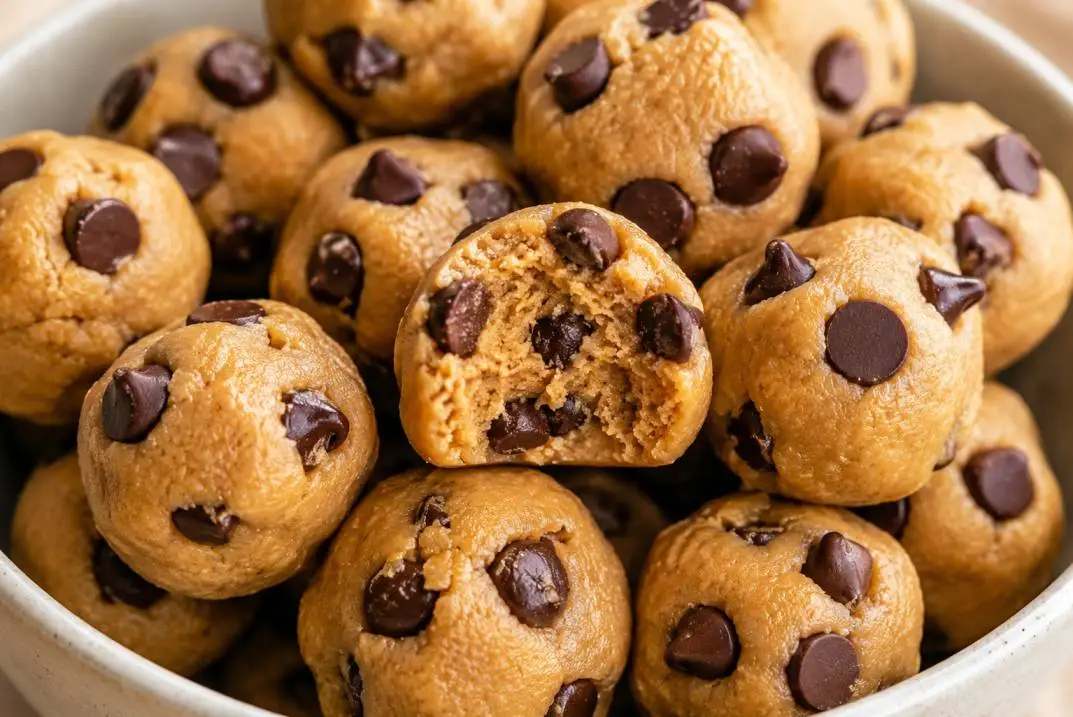
Chocolate Chip Cookie Bites
- Creamy peanut butter is the non-negotiable choice for maximum softness
- Underbaking by one minute is your greatest ally — cookies firm up as they cool
- Brown sugar (more than white) is the real secret behind that chewy, moist crumb
- Chilling the dough for at least 30 minutes prevents spreading and locks in texture
- Butter temperature matters — softened, not melted, gives the ideal cookie structure
Let’s be honest — there are few things in life as disappointing as biting into a peanut butter cookie and finding a dry, crumbly little disc instead of the soft, melt-in-your-mouth bite you were dreaming of. We’ve all been there. You followed the recipe. You measured everything. And yet… chalk.
After years working in professional kitchens and testing batch after batch of cookies, I can tell you: softness is not luck. It’s science. And once you understand a few key principles — the fat you use, the sugar ratio, the baking temperature, and a handful of small but game-changing techniques — you will never overbake a peanut butter cookie again.
These Soft Peanut Butter Chocolate Chip Cookie Bites are everything a great cookie should be: deeply nutty, rich with chocolate, pillowy on the inside, and just barely golden at the edges. Let’s get into it.
Ingredients
1 cupcreamy peanut butter
½ cupunsalted butter, softened
¾ cupbrown sugar, packed
¼ cupgranulated white sugar
2large eggs, room temperature
1 tsppure vanilla extract
1¾ cupsall-purpose flour
1 tspbaking soda
½ tspfine sea salt
1 cupsemi-sweet chocolate chips
1 tbspcornstarch
2 tbspmilk (whole, preferred)
Soft Peanut Butter
Ingredients
Step-by-Step Method
- 1Cream the Fats and SugarsIn a large bowl, beat the softened butter, creamy peanut butter, brown sugar, and granulated sugar together with an electric mixer on medium-high speed for a full 3 minutes. You want the mixture to look pale, fluffy, and noticeably increased in volume. Don’t rush this step — this aeration is what gives the cookies their lift and tender crumb.💡 Butter must be softened, not melted. Melted butter produces flat, greasy cookies.
- 2Add Eggs and VanillaAdd the eggs one at a time, beating well after each addition. Then add the vanilla extract and the milk. Mix until fully combined and silky smooth. Room-temperature eggs incorporate more evenly, helping the batter stay emulsified and the final cookie stay moist — a detail that separates good cookies from great ones.
- 3Combine the Dry IngredientsIn a separate bowl, whisk together the flour, baking soda, salt, and cornstarch. The cornstarch is your secret weapon here — it inhibits gluten development, resulting in a noticeably softer, more tender cookie with a slightly thicker center. Gradually add the dry mixture into the wet ingredients, mixing on low speed just until no flour streaks remain. Do not overmix.💡 Overmixing develops gluten and leads to tough, dry cookies.
- 4Fold in the Chocolate ChipsUsing a rubber spatula, gently fold in the chocolate chips until evenly distributed throughout the dough. Semi-sweet chips are ideal — their mild bitterness beautifully balances the rich sweetness of the peanut butter base.
- 5Chill the Dough — This Step Is Non-NegotiableCover the bowl with plastic wrap and refrigerate the dough for a minimum of 30 minutes, or up to 48 hours. Chilling solidifies the fat, which means your cookies will spread slowly and evenly in the oven rather than collapsing into flat puddles. The resting time also deepens the flavor significantly — the longer, the better.💡 Overnight chilled dough produces remarkably richer, more complex-tasting cookies.
- 6Preheat and PortionPreheat your oven to 350°F (175°C) and line baking sheets with parchment paper. Using a small cookie scoop or a rounded tablespoon, portion the dough into small balls — about 1 inch in diameter for true ‘bites.’ Place them 2 inches apart on the prepared baking sheet.
- 7Bake Low and Slow — Then Pull EarlyBake at 350°F for 10 to 11 minutes. Here’s the most important piece of professional advice I can give you: pull the cookies out when the edges look just set but the centers still appear slightly underdone and glossy. They will look almost raw in the middle. That’s perfect. Leave them on the hot baking sheet for 5 full minutes before transferring — they will continue cooking from residual heat and firm up into the softest, most pillowy bite imaginable.💡 At 375°F cookies bake faster but risk drying out. 350°F gives more control and a more even bake.
- 8Cool and StoreTransfer cookies to a wire rack to finish cooling completely. Store in an airtight container at room temperature. To keep them soft for days, place a single slice of white bread in the container — the bread will release just enough moisture to keep the cookies perfectly soft without making them soggy. Replace the bread slice every two days.
The Science Behind the Softness
Here’s what I want you to understand: soft cookies aren’t accidental. Every ingredient in this recipe is doing a specific job. Brown sugar — which contains molasses — holds onto moisture far better than white sugar alone, and that moisture is what keeps cookies tender for days, not hours. That’s why this recipe leans heavier on brown sugar.
Butter versus shortening is another question worth addressing. Butter delivers better flavor — no question. But shortening has a higher melting point, which helps cookies hold their shape. The solution? Use all butter, but keep it properly softened and make sure your dough is well-chilled before baking. You’ll get the flavor of butter and the structure that chilling provides.
If your cookies always come out too dry, you’re likely overbaking them. The single biggest mistake home bakers make is waiting until the cookies look done in the oven. By then, they’re already overdone. Trust the underbake, and trust the carryover heat. Pull them early, every time.
Creamy or Crunchy — The Final Word
For soft cookie bites specifically, creamy peanut butter is the clear winner. Crunchy peanut butter introduces solid peanut pieces that interrupt the smooth, uniform texture of the dough — and those pieces can create drier spots in the finished cookie. Creamy peanut butter integrates seamlessly into the fat structure of the dough, contributing both flavor and moisture.
One more caveat: use a standard commercial creamy peanut butter (like Jif or Skippy) rather than natural peanut butter. Natural varieties separate, have inconsistent fat content, and can throw off your dough structure in ways that are genuinely hard to predict. For baking, consistent equals better.
Frequently Asked Questions
What is the secret to soft peanut butter cookies?
The secret lies in a combination of factors working together: using creamy peanut butter, leaning heavily on brown sugar (which retains moisture due to its molasses content), adding cornstarch to the dough to inhibit gluten formation, chilling the dough before baking, and — most critically — pulling the cookies from the oven before they look fully done. Residual heat on the baking sheet finishes the job and gives you that soft, pillowy center every time.
How do I make chocolate chip cookies very soft?
The key to extremely soft chocolate chip cookies is managing both fat content and moisture. Use more brown sugar than white, add a tablespoon of cornstarch, include an extra egg yolk for richness, and never overbake. Bake at 350°F rather than 375°F for more control. The moment the edges are set and the center looks slightly underdone, take them out. A slice of bread stored with the cookies afterward keeps them soft for days longer than you’d expect.
Is it better to use creamy or crunchy peanut butter for peanut butter cookies?
For soft cookies, creamy peanut butter is always the better choice. It blends smoothly into the dough, contributes evenly distributed fat and moisture, and produces a consistent, tender texture. Crunchy peanut butter can create uneven texture and dry pockets throughout the cookie. Additionally, always choose a standard commercial brand over natural peanut butter when baking — natural varieties have inconsistent oil separation that can negatively affect dough structure and spread.
What is the secret to making cookies soft in general?
Across all cookie varieties, the universal secrets to softness come down to four things: the right fat (softened butter or a butter-shortening blend), a higher ratio of brown sugar to white, not overbaking — which is by far the most common mistake — and proper storage in an airtight container with a slice of bread to maintain moisture. Temperature also matters: 350°F gives a gentler, more even bake than higher temperatures and dramatically reduces the risk of dry, hard cookies.
Ready to Bake Your Best Batch Yet?
Save this recipe, share it with a fellow cookie lover, and let me know in the comments how your bites turned out. What secret technique made the biggest difference for you?