Authentic Shrimp Pad Thai Recipe

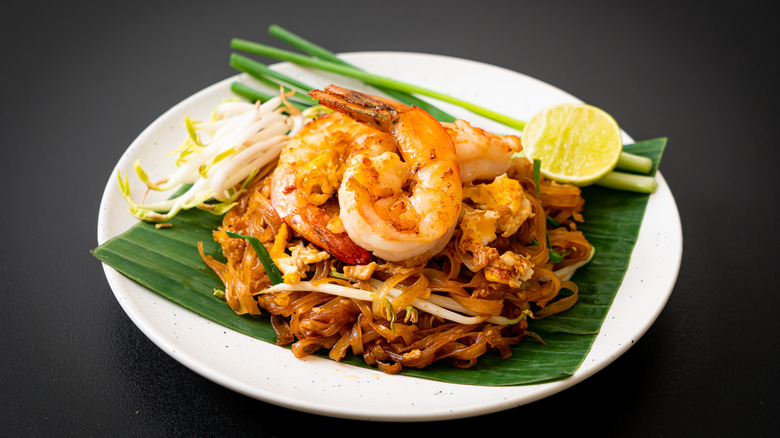
Authentic shrimp Pad Thai is one of the most beloved Thai dishes in the world. Known for its perfect balance of sweet, salty, tangy, and savory flavors, this iconic noodle dish combines tender shrimp, rice noodles, crunchy peanuts, scrambled eggs, fresh vegetables, and a rich homemade Pad Thai sauce.
While many people order Pad Thai from restaurants or takeout spots, making it at home is easier than you might think. With fresh ingredients and the right cooking method, you can create restaurant-quality shrimp Pad Thai in your own kitchen.
This complete guide will teach you everything you need to know about making authentic shrimp Pad Thai, including ingredients, cooking tips, variations, storage ideas, and serving suggestions.
What Is Pad Thai?
Pad Thai is a traditional Thai stir-fried noodle dish that originated as popular street food in Thailand.
The dish typically includes:
- Rice noodles
- Shrimp or chicken
- Eggs
- Bean sprouts
- Peanuts
- Garlic
- Green onions
- Tamarind-based sauce
The signature flavor comes from the combination of:
- Sweetness from sugar
- Saltiness from fish sauce
- Sourness from tamarind
- Savory depth from soy sauce and proteins
Pad Thai is famous for balancing these flavors beautifully.
Why You’ll Love This Shrimp Pad Thai Recipe
There are many reasons why homemade shrimp Pad Thai is so popular:
- Better than takeout
- Quick and easy
- Packed with flavor
- Customizable
- Great for meal prep
- Restaurant-quality at home
- Made with fresh ingredients
This recipe delivers authentic flavor while remaining simple enough for home cooks.
Ingredients
For the Pad Thai Sauce
The sauce is the heart of authentic Pad Thai.
Ingredients
- 3 tablespoons tamarind paste
- 3 tablespoons fish sauce
- 2 tablespoons brown sugar
- 1 tablespoon soy sauce
- 1 teaspoon chili sauce or sriracha
For the Noodles and Stir Fry
Ingredients
- 8 ounces rice noodles
- 1 pound shrimp, peeled and deveined
- 2 eggs
- 2 tablespoons vegetable oil
- 3 cloves garlic, minced
- 1 cup bean sprouts
- 3 green onions, sliced
- 1/2 cup crushed peanuts
- Lime wedges for serving
- Fresh cilantro for garnish
Optional Add-Ins
You can customize your Pad Thai with:
- Tofu
- Chicken
- Extra vegetables
- Red peppers
- Carrots
- Mushrooms
- Bok choy
- Thai basil
Kitchen Equipment Needed
- Large skillet or wok
- Mixing bowls
- Wooden spoon or spatula
- Pot for noodles
- Knife and cutting board
Step-by-Step Instructions
Step 1: Prepare the Rice Noodles
Bring a pot of water to a boil.
Remove from heat and soak rice noodles according to package instructions until softened but still slightly firm.
Set aside.
Step 2: Make the Pad Thai Sauce
In a small bowl, whisk together:
- Tamarind paste
- Fish sauce
- Brown sugar
- Soy sauce
- Chili sauce
Mix until sugar dissolves completely.
Taste and adjust:
- More sugar for sweetness
- More tamarind for tanginess
- More fish sauce for saltiness
Step 3: Cook the Shrimp
Heat 1 tablespoon oil in a wok or large skillet over medium-high heat.
Add shrimp and cook for about 2 minutes per side until pink and opaque.
Remove shrimp and set aside.
Avoid overcooking because shrimp can become rubbery.
Step 4: Scramble the Eggs
Add another tablespoon of oil to the skillet.
Push ingredients to one side and crack eggs into the pan.
Scramble gently until cooked.
Step 5: Cook the Garlic
Add minced garlic to the skillet and sauté for about 30 seconds until fragrant.
Be careful not to burn the garlic.
Step 6: Add the Noodles
Add softened rice noodles to the skillet.
Pour the Pad Thai sauce over the noodles.
Use tongs or a spatula to toss everything together.
Cook for several minutes until noodles absorb the sauce.
Step 7: Add Shrimp and Vegetables
Return cooked shrimp to the skillet.
Add bean sprouts and green onions.
Toss everything together until heated through.
Step 8: Garnish and Serve
Transfer Pad Thai to serving plates.
Top with:
- Crushed peanuts
- Fresh cilantro
- Lime wedges
- Extra bean sprouts
Serve immediately while hot.
The Secret to Authentic Pad Thai Flavor
Authentic Pad Thai relies on balancing four main flavors:
Sweet
Brown sugar or palm sugar provides sweetness.
Salty
Fish sauce adds deep umami flavor.
Spicy
Chili sauce or fresh chili peppers provide heat.
Balancing these flavors is key to authentic taste.
What Is Tamarind Paste?
It adds:
- Tanginess
- Slight sweetness
- Complex flavor depth
Without tamarind, Pad Thai will not taste authentic.
Best Noodles for Pad Thai
Thin flat rice noodles work best.
Look for:
- Rice stick noodles
- Medium-width rice noodles
- Thai rice noodles
Avoid overcooking the noodles because they continue cooking in the wok.
Choosing the Best Shrimp
For the best shrimp Pad Thai:
- Use medium or large shrimp
- Fresh or frozen both work
- Peel and devein before cooking
Wild-caught shrimp often provide better flavor and texture.
How to Prevent Sticky Noodles
Sticky noodles are one of the most common problems.
Tips
- Do not over-soak noodles
- Rinse with cold water after soaking
- Toss noodles gently while cooking
- Avoid overcrowding the pan
Variations of Pad Thai
Chicken Pad Thai
Replace shrimp with sliced chicken breast.
Vegetarian Pad Thai
Use tofu and soy sauce instead of fish sauce.
Spicy Pad Thai
Add extra chili sauce or Thai chilies.
Seafood Pad Thai
Use scallops, squid, or mixed seafood.
Healthy Shrimp Pad Thai Tips
You can make Pad Thai healthier by:
- Using less sugar
- Adding more vegetables
- Using whole grain rice noodles
- Reducing oil
- Increasing protein
Adding vegetables boosts fiber and nutrition.
Vegetables That Work Well in Pad Thai
Popular vegetable additions include:
- Carrots
- Bell peppers
- Snap peas
- Broccoli
- Mushrooms
- Bok choy
- Cabbage
Vegetables add crunch, color, and freshness.
Common Mistakes to Avoid
Overcooking the Shrimp
Shrimp cook quickly and become tough if overcooked.
Mushy Noodles
Avoid soaking noodles too long.
Too Much Sauce
Excess sauce can make noodles soggy.
Cooking at Low Heat
High heat creates authentic stir-fry flavor.
What to Serve with Shrimp Pad Thai
Pad Thai pairs beautifully with:
Appetizers
- Thai spring rolls
- Dumplings
- Lettuce wraps
Soups
- Coconut soup
- Tom yum soup
Drinks
- Thai iced tea
- Coconut water
- Lime sparkling water
Garnish Ideas
Authentic garnishes elevate the dish.
Popular toppings:
- Crushed peanuts
- Lime wedges
- Cilantro
- Chili flakes
- Extra bean sprouts
- Green onions
Fresh lime juice brightens the entire dish.
Meal Prep and Storage
Refrigerator
Store leftovers in an airtight container for up to 3 days.
Freezing
Pad Thai is best fresh, but can be frozen for up to 1 month.
How to Make Pad Thai for a Crowd
For parties or family dinners:
- Prepare sauce ahead
- Chop vegetables early
- Cook proteins in batches
- Use a large wok or skillet
Pad Thai is perfect for entertaining because it cooks quickly.
Is Shrimp Pad Thai Spicy?
Traditional Pad Thai is mildly spicy.
You can easily adjust the heat level:
- Mild: no chili sauce
- Medium: small amount of sriracha
- Spicy: fresh Thai chilies
Nutritional Benefits
Shrimp Pad Thai offers:
- Protein from shrimp and eggs
- Healthy fats from peanuts
- Fiber from vegetables
- Energy from rice noodles
Shrimp are also rich in:
- Selenium
- Vitamin B12
- Omega-3 fatty acids
Frequently Asked Questions
Can I use chicken instead of shrimp?
Yes. Chicken Pad Thai is very popular.
Can I make Pad Thai gluten-free?
Yes. Use gluten-free soy sauce.
What if I can’t find tamarind paste?
You can use lime juice in emergencies, but authentic flavor comes from tamarind.
Can I prepare the sauce ahead?
Absolutely. Store it in the refrigerator for several days.
Tips for Restaurant-Quality Pad Thai
Use High Heat
Authentic stir-fry flavor comes from quick cooking over high heat.
Prep Ingredients Before Cooking
Pad Thai cooks fast, so everything should be ready beforehand.
Don’t Overcrowd the Pan
Cook in batches if necessary.
Use Fresh Lime Juice
Fresh lime enhances the flavors dramatically.
Why Homemade Pad Thai Is Better Than Takeout
Homemade shrimp Pad Thai allows you to:
- Control ingredients
- Adjust sweetness and spice
- Use fresher vegetables
- Add extra protein
- Reduce oil and sodium
It’s often healthier and more flavorful than restaurant versions.
Conclusion
Authentic shrimp Pad Thai is one of the most flavorful and satisfying noodle dishes you can make at home. The combination of tender shrimp, chewy rice noodles, crunchy peanuts, fresh vegetables, scrambled eggs, and tangy tamarind sauce creates a perfect balance of textures and flavors.
Whether you’re preparing a quick weeknight dinner, meal prepping lunches, or hosting a Thai-inspired dinner party, this homemade Pad Thai recipe delivers restaurant-quality results every time.